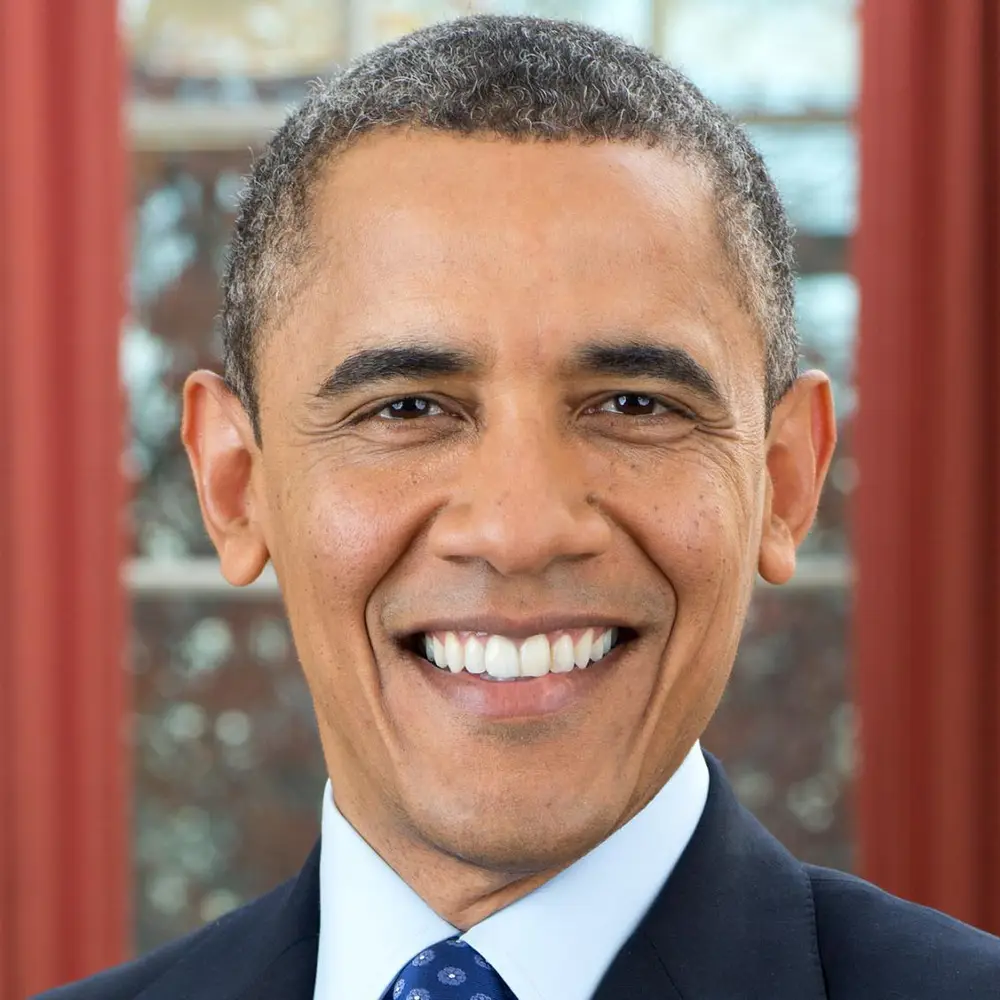
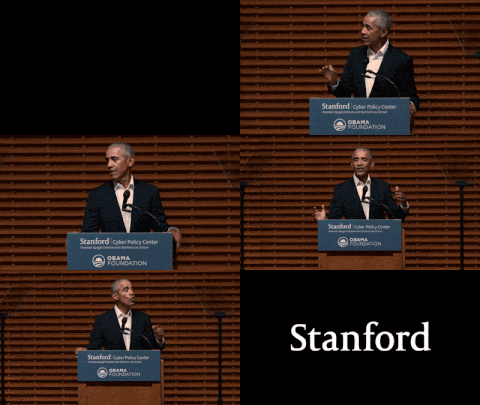
Former President Barack Obama addresses disinformation in a speech at Stanford University
Former President Barack Obama addresses disinformation in a speech at Stanford University
come watch former president Barack Obama give a speech about disinformation at Stanford University audio may not work so imagine it yourself
About
"Thank you, everybody, thank you. Everybody have a seat. Thank you. Thank you so much. Hello Stanford. It is great to be in California and back in beautiful Palo Alto. You know, coming here always makes me want to go back to college. I'm convinced that right now, one of the biggest impediments to doing all of this, indeed, one of the biggest reasons for democracies' weakening is the profound change that's taken place in how we communicate and consume information. For more and more of us, search and social media platforms aren't just our window into the internet, they serve as our primary source of news and information. No one tells us that the window is blurred, subject to unseen distortions and subtle manipulations. All we see is a constant feed of content where useful, factual information, and happy diversions and cat videos flow alongside lies, conspiracy theories, junk science, quackery, white supremacists, racist tracts, misogynist screeds. And over time, we lose our capacity to distinguish between fact, opinion, and wholesale fiction. Tech platforms need to accept that they play a unique role in how we as a people and people around the world are consuming information and that their decisions have an impact on every aspect of society. With that power comes accountability and in democracies like ours, at least, the need for some democratic oversight. As citizens, we have to take it upon ourselves to become better consumers of news, looking at sources, thinking before we share, and teaching our kids to become critical thinkers who know how to evaluate sources and separate opinion from fact. TV is a tool. The internet is a tool. Social media is a tool. At the end of the day, tools don't control us, we control them, and we can remake them. It's up to each of us to decide what we value, and then use the tools we've been given to advance those values. And I believe we should use every tool at our disposal to secure our greatest gift, a government of, by, for the people for generations to come. And I hope you agree with me, and I look forward to you joining in the work. Thank you very much, everybody. All right. Thank you. Thank you. Thank you. Thank you." -Barack Obama.
Scenario
"Thank you, everybody, thank you. Everybody have a seat. Thank you. Thank you so much. Hello Stanford. It is great to be in California and back in beautiful Palo Alto. You know, coming here always makes me want to go back to college. I'm convinced that right now, one of the biggest impediments to doing all of this, indeed, one of the biggest reasons for democracies' weakening is the profound change that's taken place in how we communicate and consume information. For more and more of us, search and social media platforms aren't just our window into the internet, they serve as our primary source of news and information. No one tells us that the window is blurred, subject to unseen distortions and subtle manipulations. All we see is a constant feed of content where useful, factual information, and happy diversions and cat videos flow alongside lies, conspiracy theories, junk science, quackery, white supremacists, racist tracts, misogynist screeds. And over time, we lose our capacity to distinguish between fact, opinion, and wholesale fiction. Tech platforms need to accept that they play a unique role in how we as a people and people around the world are consuming information and that their decisions have an impact on every aspect of society. With that power comes accountability and in democracies like ours, at least, the need for some democratic oversight. As citizens, we have to take it upon ourselves to become better consumers of news, looking at sources, thinking before we share, and teaching our kids to become critical thinkers who know how to evaluate sources and separate opinion from fact. TV is a tool. The internet is a tool. Social media is a tool. At the end of the day, tools don't control us, we control them, and we can remake them. It's up to each of us to decide what we value, and then use the tools we've been given to advance those values. And I believe we should use every tool at our disposal to secure our greatest gift, a government of, by, for the people for generations to come. And I hope you agree with me, and I look forward to you joining in the work. Thank you very much, everybody. All right. Thank you. Thank you. Thank you. Thank you." -Barack Obama.
Opening
"Thank you, everybody, thank you. Everybody have a seat. Thank you. Thank you so much. Hello Stanford. It is great to be in California and back in beautiful Palo Alto. You know, coming here always makes me want to go back to college. I'm convinced that right now, one of the biggest impediments to doing all of this, indeed, one of the biggest reasons for democracies' weakening is the profound change that's taken place in how we communicate and consume information. For more and more of us, search and social media platforms aren't just our window into the internet, they serve as our primary source of news and information. No one tells us that the window is blurred, subject to unseen distortions and subtle manipulations. All we see is a constant feed of content where useful, factual information, and happy diversions and cat videos flow alongside lies, conspiracy theories, junk science, quackery, white supremacists, racist tracts, misogynist screeds. And over time, we lose our capacity to distinguish between fact, opinion, and wholesale fiction. Tech platforms need to accept that they play a unique role in how we as a people and people around the world are consuming information and that their decisions have an impact on every aspect of society. With that power comes accountability and in democracies like ours, at least, the need for some democratic oversight. As citizens, we have to take it upon ourselves to become better consumers of news, looking at sources, thinking before we share, and teaching our kids to become critical thinkers who know how to evaluate sources and separate opinion from fact. TV is a tool. The internet is a tool. Social media is a tool. At the end of the day, tools don't control us, we control them, and we can remake them. It's up to each of us to decide what we value, and then use the tools we've been given to advance those values. And I believe we should use every tool at our disposal to secure our greatest gift, a government of, by, for the people for generations to come. And I hope you agree with me, and I look forward to you joining in the work. Thank you very much, everybody. All right. Thank you. Thank you. Thank you. Thank you." -Barack Obama.