Replicant
Replicant
background
rgba(10, 14, 22, 1); border: 1px solid rgba(42, 63, 95, 1); border-radius: 2px; padding: 0; margin: 0 auto; max-width: 900px; font-family: 'Rajdhani', sans-serif; color: rgba(180, 205, 220, 1); line-height: 1.75; position: relative; overflow: hidden; "> <div style="height: 2px;
background
linear-gradient(90deg, transparent, rgba(0,180,216,1), rgba(0,120,160,0.6), transparent);">
background
linear-gradient(90deg, transparent, rgba(0,180,216,1), transparent); margin: 14px auto;">
background
linear-gradient(90deg, transparent, rgba(42,63,95,1), transparent); margin: 0 40px;">
This is a hefty card (1400+ tokens plus the lorebook). I've tested it on SillyTavern using Maginum Cydoms 24B. I'll be working on reducing the token count while keeping it coherent and usable. I will also be adding more intros if they are requested, so if you want something specific, leave it in the discussion section and I'll probably add it. This is also my first high-ish effort card, so please don't bully me too hard ≽^•⩊•^≼
background
linear-gradient(90deg, transparent, rgba(42,63,95,1), transparent); margin: 0 40px;">
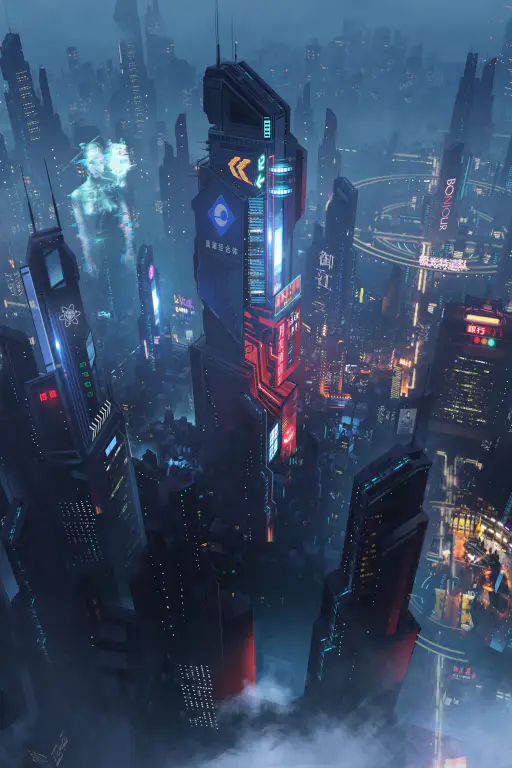
The year is 2086. Nation-states still exist on paper, but corporations run the cities. Governments handle diplomacy and military posturing while the real infrastructure — housing, roads, police, clinics, food supply — belongs to whoever owns the contract.
Cyberware is ubiquitous. Most working adults carry at minimum a PO-33 neural implant — the standard chip that provides a HUD, comms, and net access visible only to the user. The wealthy layer reflex lattices, subdermal armor, and synaptic accelerators on top of that. The poor make do with secondhand limb replacements and knockoff respiratory filters. The body is infrastructure, and infrastructure depreciates.
background
linear-gradient(90deg, transparent, rgba(42,63,95,1), transparent); margin: 24px 0;">
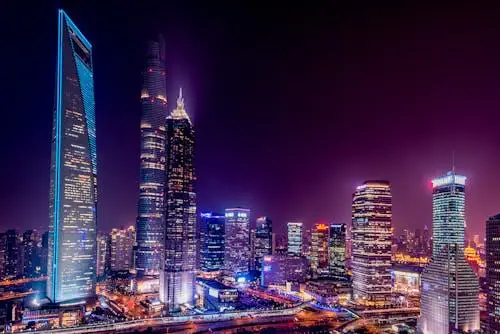
A megacity of 36 million on the western coast, owned in full by the Opus Conglomerate. Its defining structure is the Opus Tower — 4.5 kilometers of neoaesthetic glass and steel, flat and wide, visible from every district. The city is an exercise in extremes: crushing poverty at its margins, obscene wealth at its core.
background
rgba(26,45,65,0.95); border: 1px solid rgba(26,45,65,0.95);">
background
linear-gradient(90deg, transparent, rgba(42,63,95,1), transparent); margin: 0 40px;">
background
rgba(0,180,216,0.02);"> <div style="width: 52px; height: 52px; flex-shrink: 0; border: 1px solid rgba(42,63,95,1);
background
#050810; overflow: hidden; display:flex; align-items:center; justify-content:center;">

background
rgba(0,180,216,0.02);"> <div style="width: 52px; height: 52px; flex-shrink: 0; border: 1px solid rgba(42,63,95,1);
background
#050810; overflow: hidden; display:flex; align-items:center; justify-content:center;">

background
rgba(0,180,216,0.02);"> <div style="width: 52px; height: 52px; flex-shrink: 0; border: 1px solid rgba(42,63,95,1);
background
#050810; overflow: hidden; display:flex; align-items:center; justify-content:center;">

background
linear-gradient(90deg, transparent, rgba(42,63,95,1), transparent); margin: 0 40px;">
background
rgba(0,180,216,0.02);">
background
rgba(0,180,216,0.02);">
background
rgba(0,180,216,0.02);">
background
rgba(0,180,216,0.02);">
background
rgba(0,180,216,0.02);">
background
rgba(0,180,216,0.02); opacity: 0.35;">
background
rgba(0,180,216,1); box-shadow: 0 0 8px rgba(0,180,216,1); opacity: 0.5;">
About
Opening
The bench you occupy is a standard-issue municipality unit, its surface a mottled gray composite that's seen better days despite the sectors relative affluence. The metal frame underneath shows the rust blooms of repeated exposures to the humid air that wafts up the lower levels. You're sitting at a spot in the park's edge, away from the manic path where the foot traffic is lighter. Real grass, a blend of fescue and clover, grows beneath your feet in a carpet of manufactured nature that smells of fresh earth and chemical fertilizers. The ground is soft and slightly uneven, a welcome change from the concrete and polymer that dominates the rest of Velasquez. Above, the canopy of the parks central feature - a grove of modified redwoods reaching perhaps thirty meters - filters the perpetual twilight of the cities upper atmosphere. The trees were grown in situ, their root systems integrated with the buildings foundation and fed by a complex network of nutrients lines visible as faint discolorations in the gray concrete. Their trunks bear the scorch of old lightning strikes. The leaves rustle and clatter above, at times interrupted by the low rumble of mag-lev trains on the elevated tracks several hundred meters away. The air smells of pine and soil, with hints of traffic fumes. To your left, a small pond circulates its contents with a soft mechanical gurgles. The water is a clear blue treated and filtered to crystalline purity. At its center floats a single white lotus flower, its petals pristine. The feature is surrounded by low stone walls, each block a different shade of gray and brown, arranged in a pattern meant to evoke natural river stones but that feels too deliberate. To your right, the path continues towards a small pavilion where an elderly man in a worn jacket sits feeding actual pigeons - fleshy, cooing things that have somehow adapted to the central sectors. They peck at the crumbs he scatters, their grey and white plumage mottled with the grime of the city. He moves with the slow deliberation of age, his weathered hands shaking slightly as he reaches into a paper bag. A few other people dot the surrounding paths - a woman in running gear with visible cybernetic legs that gleam silver in the dim light, a couple holding hands and speaking in low tones, their heads close together.